

Why Many Wedding Favors Get Left Behind and How to Avoid It
Many wedding favors are intended as a lovely gesture, but in the end, they end up sitting on tables or being tucked away in a drawer at home. This usually happens not because guests are ungrateful, but because the gift has no clear place in their everyday lives.
Typical "left-behinds" are items that are purely decorative, seem overly specific, or are strongly tied to the wedding day without having any later use. Oversized, overly fragile, or highly personal designs can also make guests unsure about whether they should even use them.
Key takeaway: A good wedding favor is small enough to take home, high-quality enough to keep, and practical enough to actually use.
What "actually used" means: three criteria that work
If you are unsure about wedding favors, a simple filter can help. It helps you distinguish between "looks pretty" and "will actually be used."
Criterion 1: Everyday practicality. The gift should fit into everyday life without requiring special care, specialized knowledge, or a "special place." The easier it is to use, the higher the chance that it won't be left behind.
Criterion 2: A neutral, stylish look. A wedding is emotional, but the wedding favor should be more timeless in appearance. Neutral does not mean boring, but versatile. This way, it will fit into different homes and suit different tastes.
Criterion 3: Quality in the details. Guests immediately notice whether something has a "promotional item feel" or whether it feels good. Clean craftsmanship, a pleasant texture, and a harmonious detail turn a small gift into something special.
Key takeaway: If a wedding favor feels like a small, high-quality everyday item, it will be kept. If it feels like a decoration "just for today," it will be left behind.
Ideas that work in everyday life: examples for different wedding styles
Wedding favors do not have to be complicated. The key is that they match the style of your wedding while also working as something guests can "take home."
Modern & minimalist
Clean lines, neutral colors, and a subtle detail work best here. Small, high-quality items that people use daily, or at least do not seem "Christmasy" or "themed," are particularly suitable.
Practical example: A simple, small gift at each place setting, combined with a high-quality card. The card says something like "It's lovely to have you here," with your names underneath. The item remains neutral, while the personal touch comes from the context.
Boho, nature-inspired, summer wedding
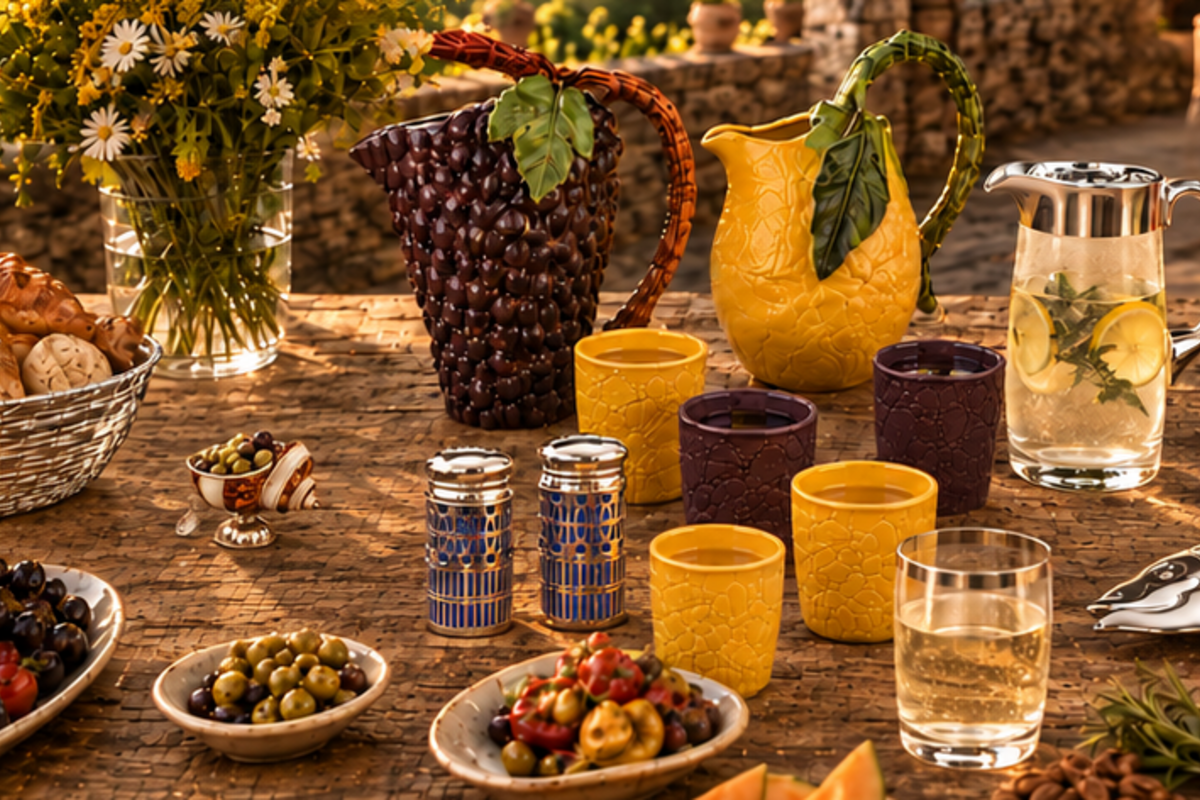
Natural materials, warm color tones, and a "handmade" look work well for this style. The wedding favor can have a softer and more emotional feel here, but should still not be too specific.
Practical example: A small wedding favor in a paper bag with a dried flower accent. It is important that the gift itself is sturdy and does not seem "fragile" at home.
Classic & elegant
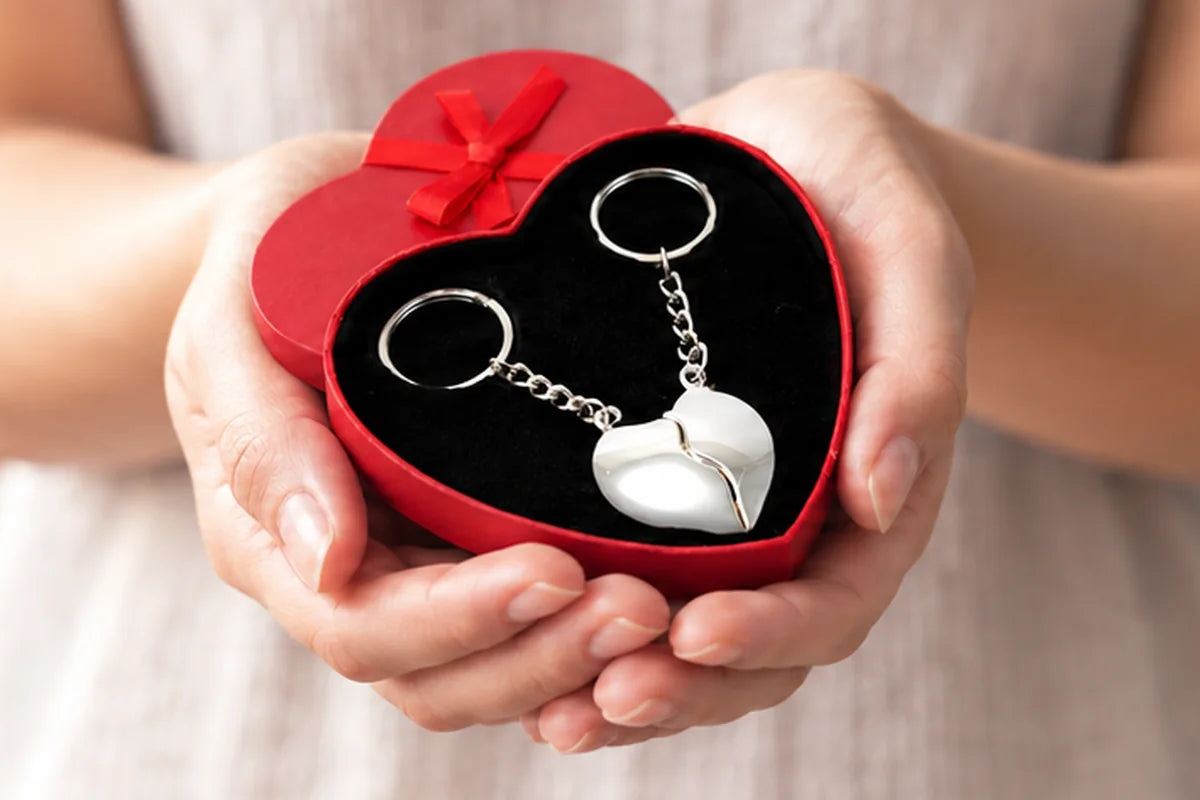
For classic celebrations, quality and restraint are key. It is better to have less "decoration" and instead choose a small gift that looks high-quality. Small, customizable pieces that guests can still look at or use years later are particularly suitable.
Practical example: A small item with subtle engraving in elegant packaging, accompanied by a short card. This creates an impression of being "thoughtful" rather than "made."
Celebration with many guests
If you have many guests, logistics must remain simple. In this case, wedding favors that are quick to distribute, not easily broken, and do not take up too much space are ideal.
Key takeaway: For large gatherings, the combination of simple logistics and a high-quality impression wins out. It is better to keep it simple but execute it cleanly.

Personalization without kitsch: short engravings that look elegant
Personalized wedding favors can be wonderful as long as the personalization remains subtle. Kitsch almost always results from too much text, too many symbols, or overly playful lettering. With small gifts, less almost always looks more elegant.
If you want to personalize, choose an engraving that will still look appropriate in five years. Initials and a date are particularly safe choices.
Stylish engraving options for wedding favors include:
- Initials (e.g., M & L)
- Date (e.g., 14.06.2026)
- Initials + date (short, clear, timeless)
- Thank you (only as a single word, if it suits the item)
Key takeaway: The engraving should look like a fine detail, not like a message board. One word or one line is almost always enough.
How to plan quantity, budget, and timing stress-free
Wedding favors are often decided on very late because more important topics take precedence beforehand. This is normal. Nevertheless, a short plan helps ensure that things do not become hectic at the last minute or that you do not order too much.
Quantity: Do not calculate "per person," but "per place setting." Couples often sit together, but wedding favors are usually placed at every seat. If you have many families with children, consider whether adults and children should receive the same thing or whether children should receive something small in addition.
Budget: A wedding favor does not have to be expensive to look high-quality. The key is a harmonious presentation. A small, good item plus neat packaging often looks higher quality than a larger, but generic gift.
Timing: Plan ahead, as personalization and packaging take time. If you are having something engraved, it makes sense to finalize the text early so that you do not have to correct spelling at the last minute.
Practical example: Place a small token at each seat, along with a card. The card conveys the personal message, while the item remains neutral. This reduces risk because you have less to personalize while still achieving a strong impression.
Do's & don'ts plus checklist for the final finishing touches
When choosing wedding favors, it is less about "the perfect idea" and more about clean execution. Do's & don'ts help you avoid typical mistakes that might otherwise only become apparent on the wedding day.
Do's
- Everyday practicality first: Ask yourself whether you would actually use it yourself
- Neutral, but beautiful: timeless is better than overly themed
- Keep personalization brief: initials or a date instead of long quotes
- Keep packaging neat: uniform, tidy, and quick to hand out
Don'ts
- Oversized or fragile gifts that guests will be reluctant to transport
- Overly personal messages that may not suit all guests
- Too much DIY effort that creates stress in the end
- "Gag" gifts that will have no place after the celebration
Mini checklist
- Does the gift match our wedding style visually?
- Is it sturdy enough for transport and everyday use?
- Is the personalization brief and error-free?
- Can we distribute it quickly and neatly at the place settings?
Key takeaway: The best wedding favor is one that no one has to explain. It immediately feels "right."

Frequently asked questions about wedding favors
How much should a wedding favor cost?
There is no fixed amount. What matters more is the quality of the execution. A small, high-quality item with a neat presentation often looks better than a more expensive, but generic gift.
Is personalization mandatory?
No. Many of the best wedding favors are neutral and receive their personal touch through a card at the place setting. If you do personalize, keep it brief so that it remains elegant.
What works best for very large groups of guests?
Sturdy, small gifts that you can distribute at each place setting. The less packaging required, the less stressful it will be. Uniformity also creates a particularly "tidy" impression.
Should children receive their own wedding favor?
If there are many children, a small extra gift can be a nice way to make them feel included. The key is to ensure that it does not complicate logistics. Sometimes a small addition at the place setting is enough.
How can I prevent something from being left behind?
Everyday practicality and a neutral look are key. If it is easy to take home and finds a place at home, it will very rarely be forgotten.
Conclusion
Wedding favors make the strongest impression when they are not "loud," but simply fit in well. Everyday practicality, a neutral look, and quality in the details are the combination that guests will actually take home and use later.
If you are unsure, choose a small, stylish token and leave room for personalization through a card. This way, you remain elegant and flexible while avoiding kitsch.
Now take a look at suitable ideas and choose a wedding favor that is so practical that your guests will naturally incorporate it into their everyday lives.

