


What Really Makes a Designer Wooden Side Table
A side table is often the piece of furniture you “just happen to need.” But a designer wooden side table is more than just a surface. It needs to work in everyday life while visually tying the room together.
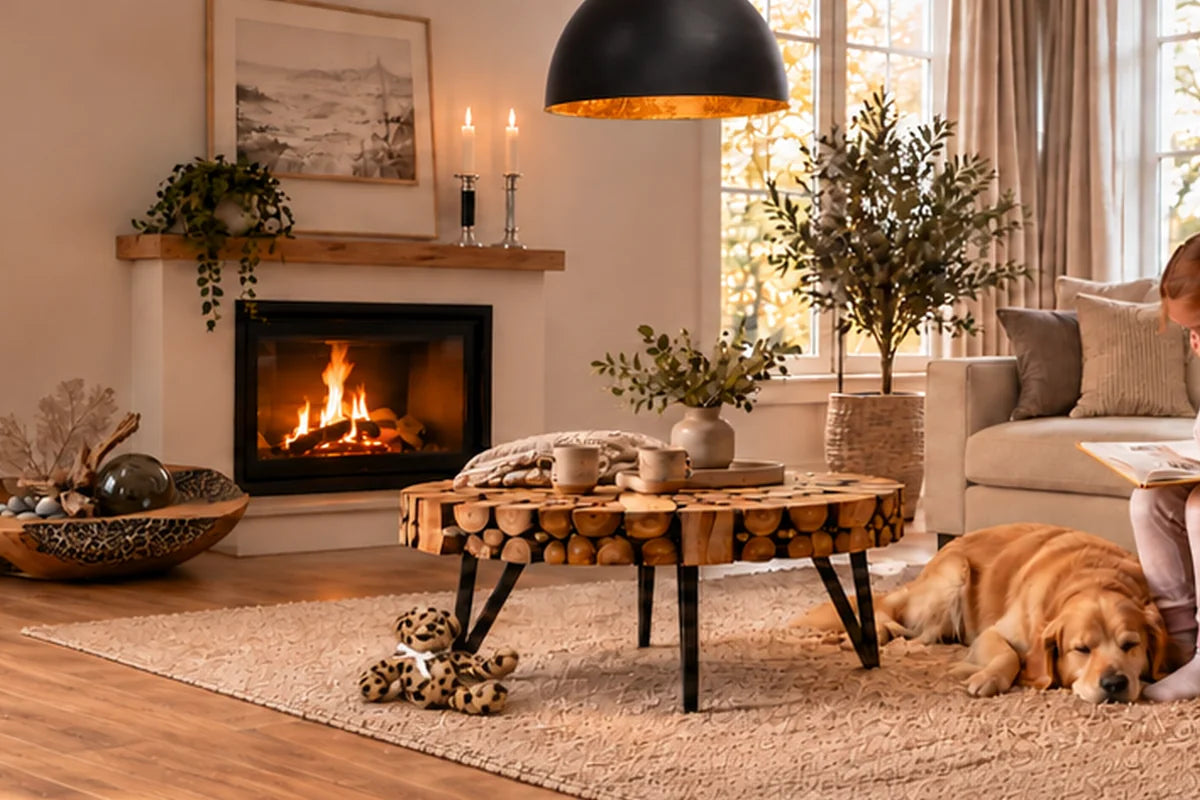
“Design” doesn’t necessarily mean striking. Often, it’s quite the opposite: clear proportions, a harmonious silhouette, and a wood finish that looks deliberately chosen. Wood brings warmth and makes spaces feel cozier, even if the rest of the room is modern or minimalist.
A good side table works best when it complements existing materials, such as your flooring, a sideboard, or small wooden details in the room.
Shape, Height, Proportions: What Works Next to a Sofa, Bed, or Armchair
The most common mistake with side tables isn’t the wood, but the proportions. A table can be beautiful, but if it’s too high, too low, or too large for the space, it will feel “impractical” in everyday use and “wrong” in the room.
As a rule of thumb, the tabletop next to a sofa should be roughly at seat height or slightly above. This makes it easy to reach a drink, book, or remote control. Next to a bed, it can be slightly higher if it’s primarily serving as a bedside table.
These shapes work particularly well in practice:
- Round: feels soft, fits into tight corners, and is ideal next to a sofa or armchair
- Oval: elegant and works well in walkways because you’re less likely to bump into it
- Square: calm and clear, works well with modern sofas and straight lines
- Rectangular: offers more surface area and is ideal as a bedside table alternative or next to large sofas
If you have little space, a small round table is almost always the safest choice. In large rooms, however, a deliberately substantial table can help structure the space and create a “focal point” next to the sofa.
Wood Types and Finishes: Teak, Solid Wood, Veneer, and Burl Wood
Wood is not all the same. The type of wood determines the color, grain, feel, and maintenance requirements. For a designer wooden side table, three questions are particularly important: Should the table look calm or lively? Should it be durable? And does the wood color match the floor and furniture?
Teak is very popular because it has a warm, high-quality appearance and generally looks more resistant to everyday wear. It works well in modern spaces but can also pair beautifully with natural materials such as linen, rattan, and wool. If you want a table that “always works,” teak is often a no-regrets choice.
Solid wood generally looks more substantial than veneer because it has real substance. Minor signs of wear are less dramatic because they “suit the material.” Veneer can still be a sensible choice if you want a particularly calm surface or prefer a lighter piece of furniture. In this case, it’s important that the craftsmanship and edges are neatly finished.
Burl wood or highly figured woods work wonderfully if the table is intended to be a deliberate eye-catcher. In this case, the surrounding area should be calmer so that the overall look doesn’t feel cluttered.

Styles That Go Together: Modern, Scandinavian, Boho, Rustic, Minimalist
A side table can help “anchor” the style of a room. So it’s worth asking: Should the table blend in subtly or make a deliberate statement? Both can look high-quality if carried through consistently.
In modern spaces, clean shapes, smooth surfaces, and calm wood colors work well. Round or square tables with understated forms usually look the most harmonious here. If you have metal or glass in the room, the wood should be calmer so that the overall look doesn’t become “too busy.”
In Scandinavian style, light wood finishes, slim proportions, and a light appearance are typical. A small round table often looks perfect here because it doesn’t visually weigh down the room. Textiles and light-colored walls make wood look particularly warm without overpowering the space.
Boho thrives on texture, natural materials, and a certain casualness. Lively grains or organic shapes are particularly well suited to this style. In rustic spaces, the table can be more substantial and “show off the material.” In contrast, minimalist spaces benefit from a calm wood finish and clean edges, so the table appears as a “quiet design piece.”
If you’re unsure, choose a style that allows the table to pick up at least one existing element in the room, such as the wood color, shape (round or angular), or material mix. This makes the decision automatically seem well thought out.
Everyday Use and Care: Surfaces, Stains, Scratches, Heat
Side tables are subjected to more wear in everyday use than you might think. Glasses, mugs, vases, and sometimes children’s hands or pets can all leave their mark. That’s why the surface determines whether the table will stay beautiful over time or quickly look “worn out.”
If you often place drinks on the table, make sure the surface is suitable for everyday use. With natural wood, it’s a good idea to use coasters to prevent rings. For oiled surfaces, regular care can help maintain their rich appearance. Lacquered or sealed surfaces are often easier to maintain in everyday use, although they can sometimes look a little “flatter.”
Practical care tips that almost always work:
- Wipe with a damp cloth, but do not clean with “wet” cloths
- Avoid harsh cleaners or abrasive sponges
- Use coasters for hot mugs to prevent rings
- Occasionally touch up oiled surfaces if they start to look dull
A premium look isn’t just created when you buy the piece, but by ensuring it still looks good months later. If you’re looking for a table that “forgives everything,” choose a durable wood type and a surface that suits your everyday life, not just a photo.
No-Regrets Decision Guide in 3 Steps
If you’re torn between several options, a simple order of operations can help. It narrows the choices down to what really matters and prevents impulsive purchases that end up being impractical.
Step 1: Determine the location and take rough measurements. Next to the sofa, bed, or armchair? How much space is realistically available without the table getting in the way? Roughly measure the width and desired height so the table doesn’t end up looking “too small” or “too high.”
Step 2: Choose the shape. Round for softness and flexibility, square for a calm, modern look, and rectangular for more surface area. Choose a shape that complements the lines of your main furniture, such as the shape of the sofa, the rug, or the edges of the sideboard.
Step 3: Match the wood finish to existing elements. Choose a wood color that is already in the room or deliberately contrasts with it without looking “random.” Comparing different wood finishes directly in the product range can help.
If you follow these three steps, it’s very likely that the table will not only look beautiful but also fit perfectly over the long term.

Frequently Asked Questions
What is the ideal height for a side table next to a sofa?
Usually seat height or slightly above. This makes it easy to reach your items without bending over.
Round or square—which looks more premium?
Both can look premium. Round feels softer and often more modern, while square looks clean and structured. Proportions and craftsmanship are what matter.
Is teak wood really that durable?
Teak is known for being resistant and suitable for everyday use. This makes it a very reliable choice for frequently used surfaces.
How can I prevent rings from glasses or mugs?
Use coasters or choose a well-sealed surface. This is especially worth doing with wood.
What works best in small rooms?
A small round side table looks lighter and takes up less visual space. It can also often be placed more flexibly.
How can I recognize a “designer” side table?
By its harmonious proportions, clear design language, high-quality material appearance, and the way it visibly complements the room rather than just providing a surface.
Conclusion
A designer wooden side table is the right choice when its shape, height, and wood finish suit the room and your everyday life. This perfect fit is what turns something “just placed there” into a piece of furniture that looks deliberately chosen.
If you’re unsure, choose a timeless shape, a surface suitable for everyday use, and a wood finish that is already in the room or creates a clear, calm contrast. This helps you avoid typical buying mistakes and gives you a piece that will bring you joy for years to come.
First, check the proportions and functionality, then choose the wood finish that makes your room feel noticeably warmer and more premium.

